
AI in supply chain has reached a more demanding stage. Leaders are moving past broad curiosity and asking where AI can reduce shortage risk, prevent waste, support compliance before exposure increases and help people act earlier, safely and privately, without losing control of the decision.
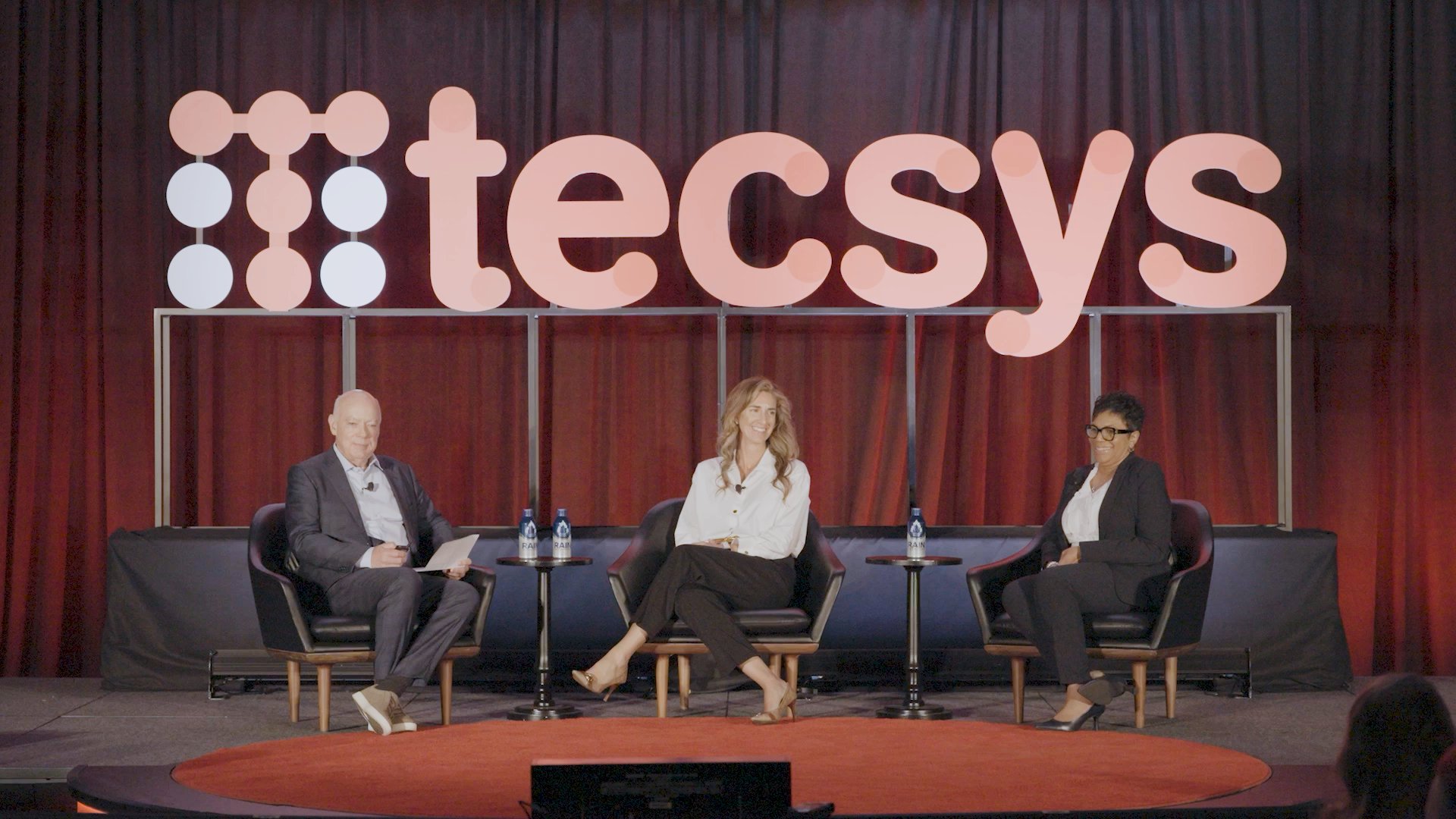
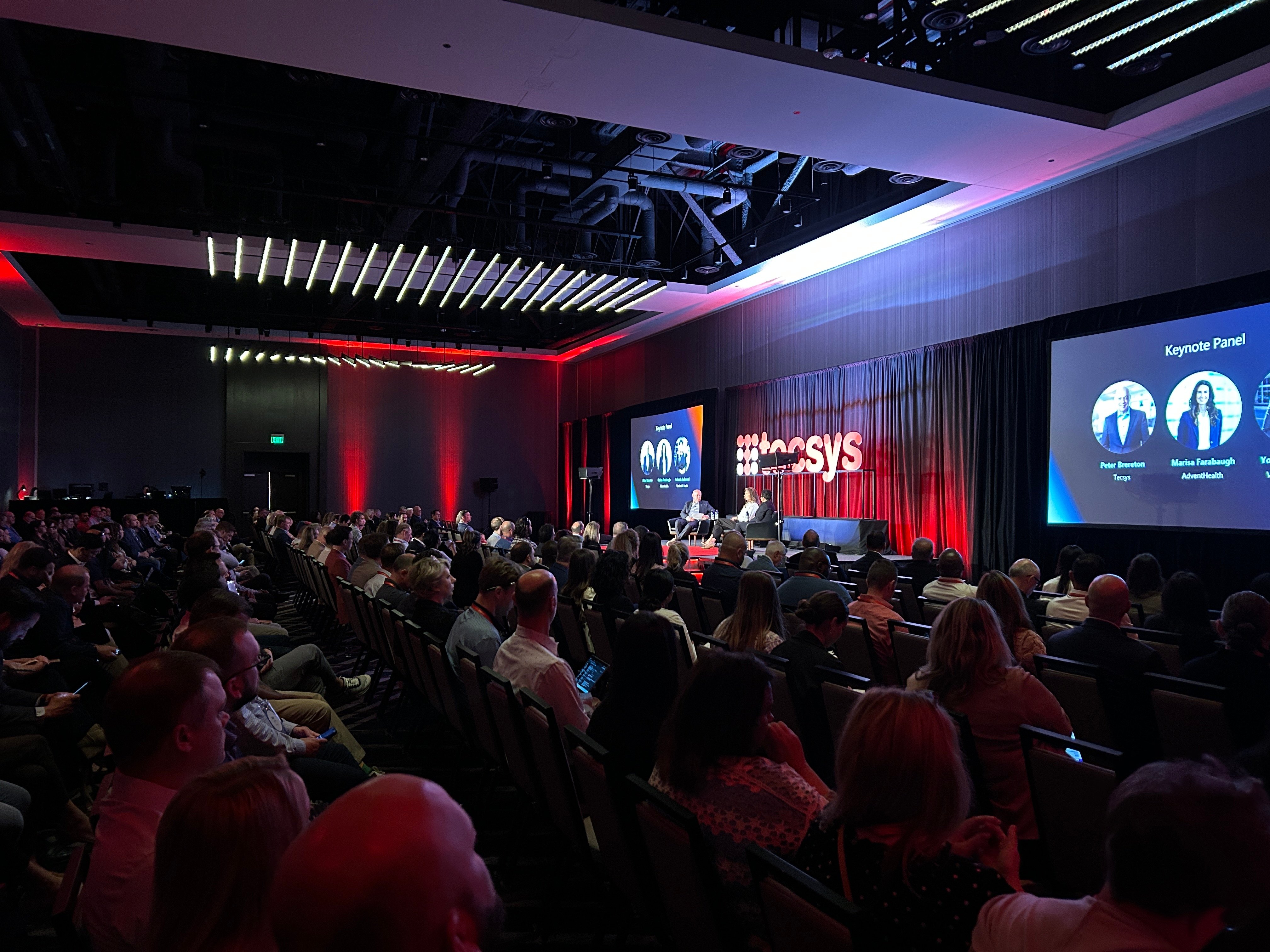
Tecsys User Conference 2026 offered a clear answer. The most credible AI opportunities sit close to the work, inside the workflows where teams manage inventory, orders, labor, exceptions, pharmacy replenishment, warehouse execution and service risk. Their value depends on context, governance and a shorter path from signal to action.
Here are five takeaways.
1. AI is shortening the distance to action
The next phase of supply chain AI is about action. A useful system identifies an exception, helps the organization understand what it means, compares possible responses, recommends a next step and initiates the workflow needed to resolve it.
That requires operational context. An agent looking at inventory cannot treat every low quantity, variance or exception the same way. It needs to understand item criticality, location, ownership, demand, lot, expiration date, available substitutes, workflow status and the role of the person receiving the recommendation.
A count-session exception should take the user to the record that needs review. A min/max issue should bring the user directly to the settings that need adjustment. A backorder notification should trigger the right follow-up workflow. An urgent out-of-stock item should be tied to the corrective action available to the team.
More advanced AI use cases demand the same specificity. An expiration-risk agent has to know whether an item should be used first, transferred, returned to a vendor or left in place because the usage pattern justifies the risk. A compliance-focused agent has to understand purchasing rules, entity status and timing. A warehouse supervisor agent has to account for staffing, work in progress, service commitments and cutoff windows.
The advantage goes to organizations that can act earlier. A shortage detected after the clinical team feels it, a labor constraint identified after service commitments are missed or an expiry issue found after the item is unusable all carry avoidable cost. AI creates value when it helps teams intervene while there is still time to change the outcome.
2. Healthcare supply chain data is becoming care-critical
In healthcare, supply chain performance reaches the point of care quickly. When a product is unavailable, expired, undocumented or difficult to find, the consequence can show up as a delayed case, a workaround for clinicians, a substitution, a compliance problem, a charge-capture issue or avoidable waste.
That reality changes how healthcare supply chain technology should be judged. Efficiency still matters, but reliability, clinical readiness, privacy and security carry equal weight. A replenishment signal may affect procedure readiness. An expiration issue may sit inside a clinical workflow. A documentation gap may affect traceability, reimbursement or compliance.
AI can help healthcare organizations move from reactive cleanup to earlier intervention. It can identify items at risk of expiring while there is still time to use, transfer or return them. It can surface purchasing risks before they become 340B compliance issues. It can support point-of-care documentation by helping clinicians capture the right barcode data more efficiently. It can unify inventory signals that sit across pharmacy systems, dispensing cabinets, ERPs and manual processes.
The more accurately organizations can connect inventory, demand, usage and workflow, the more confidently they can protect care delivery, financial performance and compliance.
3. Supply chain leaders must translate signals into decisions
Supply chain teams often have the data. The harder task is translating the data into the decision each stakeholder needs to make.
A stockout is one event with several meanings. To supply chain, it may indicate a replenishment or process issue. To clinicians, it may mean extra steps, case disruption or risk at the point of care. To finance, it may mean avoidable cost, revenue leakage or variance to plan. To executives, it may point to resilience, reliability or operational exposure.
The same is true in distribution and warehouse environments. A labor shortfall may look like a productivity issue to operations, a service risk to the customer-facing team and a margin issue to finance. A slow replenishment cycle may look like a process metric until it begins to affect order fill, customer commitments or working capital.
Better reporting does not automatically create alignment. Leaders have to translate what changed, who feels the impact, what it means in that audience’s language and what decision needs to follow.
4. Governance decides how far AI can go
As AI moves closer to execution, governance becomes the condition for scale.
The questions are concrete. Who can see a recommendation? What data informed it? What is the system allowed to prepare? What requires approval? What happens automatically? How is the decision logged? How can a user challenge, override or reverse the action?
Those questions carry extra weight in high-stakes environments. A recommendation that affects clinical readiness, purchasing compliance, replenishment, inventory value or customer service cannot be evaluated only by technical accuracy. It has to fit the organization’s policies, risk tolerance and accountability model.
Governance also extends to security. AI adoption depends on trusted data, controlled access, identity management and evidence that systems are behaving as intended. As attackers become more sophisticated and users interact with systems in new ways, organizations need security models that account for identity, session behavior, permissions and auditability.
AI can move closer to execution when organizations have clear rules for what the system can observe, recommend, prepare and do.

5. AI adoption will require redesigned work
AI adoption will be organizational as much as technical. As systems become more capable, teams will need to clarify how work changes, which decisions remain human-led and where AI should reduce manual effort.
Successful adoption starts with workflows where the pain is visible and the value is practical: reducing search time, preparing exception responses, helping supervisors assess workload, flagging expiration risk, improving documentation capture or surfacing compliance exposure earlier. These are concrete ways to help people do their work with better timing and less friction.
Decision rights have to be explicit. Domain experts should help define the guardrails, validate the recommendations and determine where human judgment remains required. Training should focus on how to supervise AI, interpret trade-offs and manage exceptions. Governance should be built into the workflow rather than handled as a separate review layer after the fact.
TUC 2026 showed an industry entering a more operational stage of AI adoption. The conversation has moved past experimentation and into the practical work of connecting data, decisions and execution. The organizations that benefit most will be the ones that build trusted foundations, embed intelligence inside real workflows, translate signals for the people who need to act and govern AI with the same seriousness they bring to the supply chains it will help run.
See how Tecsys is bringing AI closer to supply chain execution.
Read about our latest AI capabilities.